
Global trade is being reshaped by geopolitical tensions, shifting supply chains, and new regulatory frameworks. For U.S. companies exporting products internationally, success increasingly depends on one critical factor: accurate export translation services for regulatory documentation, product manuals, and global market entry. From product manuals to regulatory documentation, exporters must ensure that technical information is translated correctly to meet foreign compliance requirements and avoid costly delays when entering international markets.
Table of Contents
What Are Export Translation Services?
Export translation services help companies adapt documentation, product materials, and regulatory filings for international markets. Professional export translation services ensure that exporters meet foreign compliance requirements, communicate effectively with international partners, and successfully launch products in global markets.
Typical export translation projects include:
- product manuals and technical documentation
- safety instructions and compliance documentation
- certificates of origin and trade documentation
- contracts and legal agreements
- multilingual marketing materials
International trade requires extensive documentation such as certificates of origin, customs declarations, and compliance forms. Reliable export translation services help exporters avoid costly delays and ensure that documentation meets customs and regulatory requirements in international markets.
Companies exporting physical products must often translate product manuals, safety documentation, and technical specifications. Professional product manual translation services ensure that instructions meet regulatory requirements and can be understood by users in international markets.
Companies that invest in professional translation early in the export process can reduce regulatory delays and accelerate international market entry.
While global trade continues to grow, the structure of trade itself is evolving. Countries are reorganizing supply chains, investing in regional partnerships, and diversifying their economic relationships. At the same time, governments are introducing new regulatory frameworks that affect how products are manufactured, labeled, documented, and marketed across borders.
For American exporters, succeeding in this environment requires more than strong products and competitive pricing. Companies must navigate multilingual regulatory frameworks, cultural differences, and complex documentation requirements in order to enter and compete in international markets effectively.
Understanding the geopolitical landscape is now a critical component of global business strategy for companies relying on export translation services to enter international markets.
The New Geopolitical Reality of Global Trade
The global trade and export environment today is shaped by several major geopolitical forces.
1. Supply Chain Realignment
Over the past few years, many companies have shifted away from heavily concentrated supply chains. Instead of relying on a single manufacturing hub, corporations are diversifying production and sourcing across multiple regions.

This shift—often referred to as “nearshoring” and “friend-shoring”—has accelerated investment in regions such as:
- Mexico
- India
- Southeast Asia
- Eastern Europe
- The Gulf States
For U.S. exporters, these changes open new opportunities to access growing markets and emerging industrial hubs.
However, entering these markets requires companies to navigate new regulatory systems, compliance frameworks, and language environments. Companies expanding globally often rely on export translation services to ensure that product documentation, compliance filings, and technical materials meet the language requirements of each destination market.
Product documentation, compliance filings, safety manuals, marketing materials, and technical specifications often must be translated accurately in order to meet local regulatory requirements.
2. Regional Trade Blocs Are Becoming More Important
Another defining trend in global trade is the growing influence of regional economic alliances.
Examples include:
- USMCA (United States–Mexico–Canada Agreement)
- European Union regulatory frameworks
- ASEAN economic partnerships in Southeast Asia
- Middle Eastern economic diversification initiatives
These regional ecosystems often introduce standardized documentation requirements, labeling regulations, and certification procedures that exporters must follow to access the market.
Companies entering these regions frequently need to translate:
- product manuals
- regulatory documentation
- compliance filings
- safety instructions
- contracts and legal agreements
- technical specifications
Failure to provide accurate multilingual documentation can delay product approvals or prevent market entry altogether.
3. Regulatory Requirements Are Increasing Worldwide

Governments across the globe are introducing stricter product safety, consumer protection, and environmental regulations. As a result, export translation services have become increasingly important for companies that must translate regulatory documentation, product labeling, and compliance filings before entering foreign markets.
Examples include:
- EU product safety and labeling requirements
- medical device regulatory documentation
- pharmaceutical approval documentation
- food safety compliance rules
- environmental disclosure requirements
These regulations often require documentation to be submitted in the official language of the importing country.
For exporters, this means that translation is no longer optional—it is a regulatory necessity.
Companies must ensure that technical documentation, product instructions, and compliance filings are translated accurately and consistently in order to meet regulatory expectations.
Frequently Asked Questions About Export Translation

-
Why do exporters need professional translation services?
Exporters must comply with regulatory documentation requirements in foreign markets. Professional translation ensures that technical documents, safety instructions, and compliance filings are accurately translated and accepted by regulatory authorities.
-
What documents usually require translation when exporting products?
Exporters commonly translate:
product manualssafety instructions
certificates of origin
regulatory compliance documentation
contracts and commercial agreements
product packaging and labeling
Accurate translation ensures that products meet international regulatory standards.
-
Which industries rely most on export translation services?
Industries with strong export activity include:
manufacturingautomotive
medical devices
pharmaceuticals
consumer electronics
industrial equipment
These industries often require extensive technical documentation when entering international markets.
-
How does translation help companies expand globally?
Clear multilingual communication allows companies to meet regulatory requirements, build trust with international partners, and ensure that products are used safely and correctly in foreign markets.
Machine Translation vs Professional Export Translation
While machine translation tools can quickly convert basic text between languages, they often struggle with the technical terminology, regulatory language, and contextual accuracy required in international trade documentation. Exporters frequently deal with product manuals, safety instructions, compliance filings, and legal agreements where even small translation errors can lead to regulatory delays or rejected documentation. Professional export translation services combine subject-matter expertise, linguistic accuracy, and structured quality review to ensure that translated materials meet the technical, legal, and regulatory standards required for international markets.
| Machine Translation | Professional Translation |
|---|---|
| Fast but risky | Regulatory accuracy |
| No compliance review | Expert translators |
| Not accepted by authorities | Accepted documentation |
Risks of Poor Export Translation
Inaccurate or poorly translated export documentation can create serious problems for companies entering international markets. Even small translation errors in regulatory filings, product manuals, or safety instructions can lead to shipment delays, rejected customs documentation, regulatory penalties, or potential product liability risks. Because many countries require technical and compliance documents to be submitted in the official language of the importing market, exporters often rely on professional export translation services to ensure accuracy, regulatory compliance, and smooth entry into global markets.
Where the Biggest Export Opportunities Exist Today
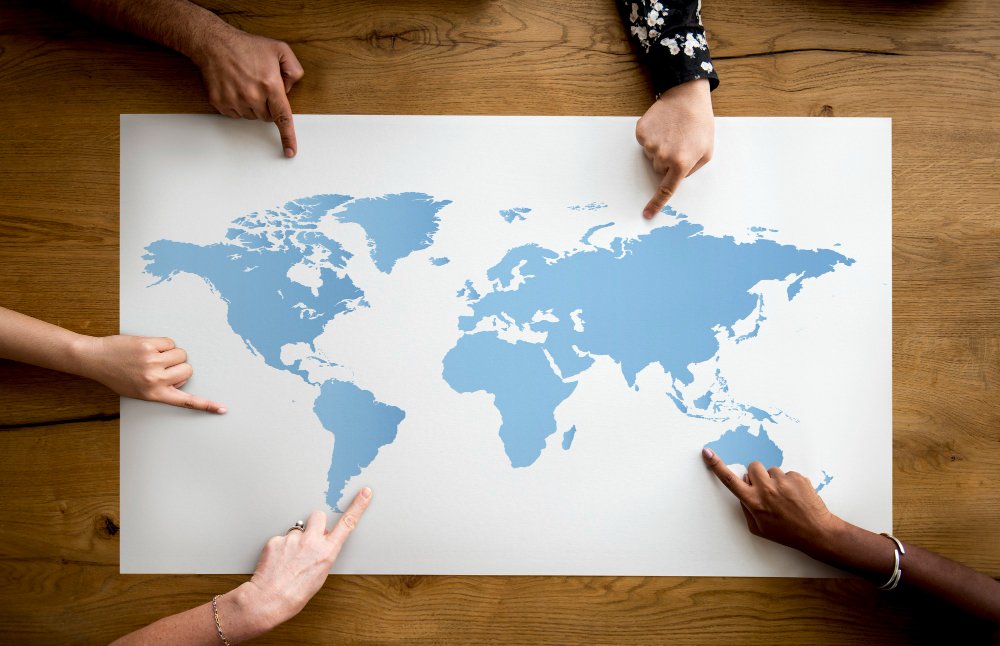
Despite geopolitical tensions, several regions continue to offer strong export growth opportunities for American companies.
Understanding these markets can help exporters prioritize their international expansion strategies.
India
India is currently one of the fastest-growing major economies in the world. Rapid industrial development, infrastructure expansion, and a growing middle class are creating strong demand for imported goods and advanced technologies.
U.S. exporters are seeing increasing opportunities in sectors such as:
- industrial machinery
- healthcare equipment
- software and technology solutions
- advanced manufacturing systems
- infrastructure technologies
However, companies entering the Indian market must prepare for multilingual business environments and regulatory documentation requirements across multiple administrative jurisdictions. India has 22 official languages recognized at the national level
Mexico
Mexico has become one of the most important trading partners for the United States. Nearshoring trends have accelerated investment in Mexican manufacturing and logistics infrastructure.
For many U.S. companies, Mexico serves as both:
- a major export destination
- a strategic manufacturing partner
Industries seeing significant growth include:
- automotive manufacturing
- aerospace
- electronics
- industrial automation
Exporters working with Mexican partners often need translated documentation for manufacturing processes, technical specifications, and compliance reporting.
Southeast Asia
Countries such as Vietnam, Indonesia, Thailand, and Malaysia are becoming increasingly important destinations for global manufacturing and consumer markets.
These economies are experiencing rapid industrial growth and expanding digital infrastructure.
American companies exporting to Southeast Asia often face requirements related to:
- multilingual regulatory documentation
- product labeling requirements
- import certification documentation
- localized marketing materials
Companies that prepare multilingual communication strategies early in their expansion plans are far more likely to succeed in these markets.
The Gulf States
Countries such as Saudi Arabia and the United Arab Emirates are investing heavily in economic diversification initiatives.
Large-scale infrastructure development, technology investments, and industrial modernization projects are creating opportunities for foreign companies in sectors including:
- construction technology
- healthcare equipment
- renewable energy
- transportation infrastructure
Businesses entering these markets must navigate both Arabic-language regulatory frameworks and culturally localized communication.
Global Export Growth And Economic Trends
Despite geopolitical tensions and supply-chain disruptions, global trade continues to expand and create new opportunities for exporters.
According to the International Monetary Fund, global economic growth is projected to reach approximately 3.3% in 2026, reflecting continued expansion in both advanced and emerging markets.
At the same time, global trade volumes have remained resilient. The World Trade Organization reports that world merchandise trade grew approximately 2.4% in 2025, demonstrating that international commerce continues to expand despite geopolitical uncertainty.
Services exports are also playing a larger role in global trade. Data from UNCTAD indicates that services exports now account for roughly 27% of global trade and grew about 9% in 2025, significantly outpacing the growth of physical goods trade.
For U.S. companies seeking to expand internationally, these trends highlight the continued importance of global markets. However, exporters must also navigate increasingly complex regulatory frameworks, documentation requirements, and multilingual business environments. Professional export translation services play a critical role in helping companies ensure that product documentation, regulatory filings, and technical materials meet the language requirements of foreign markets.
Fast-Growing Export Markets
Several major economies are expected to drive global demand for imported goods and advanced technologies over the next decade.
India, for example, is currently one of the fastest-growing major economies in the world. The International Monetary Fund projects India’s GDP growth at approximately 6.4% in 2026, reflecting strong domestic demand, infrastructure investment, and rapid industrial development.
Other projections place India’s economic growth even higher. The IMF has also forecast approximately 7.3% growth for fiscal year 2026, reinforcing the country’s position as a major driver of global economic expansion.
Because of this rapid growth, India — along with the United States and China — is expected to contribute a significant share of global economic expansion through the end of the decade.
For exporters, this means that emerging markets such as India, Southeast Asia, and parts of the Middle East are becoming increasingly important destinations for international business.
However, entering these markets often requires companies to translate product manuals, regulatory documentation, compliance filings, and marketing materials into local languages. Professional export translation services help exporters meet these requirements while ensuring that documentation remains accurate, compliant, and understandable for international partners and regulators.
Why These Trends Matter For Exporters
The continued expansion of global trade means that more companies are entering international markets each year. At the same time, regulatory requirements and multilingual documentation standards are becoming increasingly strict.
Exporters must ensure that product documentation, safety instructions, compliance filings, and technical specifications are accurately translated before entering foreign markets.
Professional export translation services help companies navigate these requirements while reducing the risk of regulatory delays, customs issues, and compliance problems.
Real Challenges Exporters Face When Entering New Markets
While global opportunities are expanding, exporters also face several practical challenges when entering foreign markets.

Export Documentation That Often Requires Translation
International trade involves extensive documentation, including:
- Certificates of origin
- Product manuals
- Safety instructions
- Technical specifications
- Customs declarations
- Regulatory filings
- Import certification documents
- Product labeling and packaging
Many of these documents must be submitted in the official language of the destination market.
Errors or inconsistencies in translated documentation can delay shipments, regulatory approvals, or product launches.
Regulatory Compliance
Different countries maintain different standards for product safety, labeling, and documentation.
Exporters must ensure that translated documents maintain precise terminology and technical accuracy to meet regulatory expectations.
Cultural and Market Localization
Beyond regulatory documentation, companies must also adapt marketing materials, product descriptions, and user instructions to resonate with local audiences.
Effective localization requires more than word-for-word translation. It involves adapting communication to match cultural expectations, industry terminology, and local market norms.
How U.S. Exporters Can Adapt and Compete
To succeed in today’s geopolitical environment, companies must treat multilingual communication as a strategic component of global expansion.
Several practical steps can help exporters strengthen their international competitiveness.
Integrate Translation Early in Market Entry Planning
Many companies wait until late in the export process to address language requirements.
A more effective approach is to incorporate translation and localization planning during the early stages of international market strategy.
This ensures that documentation, product materials, and marketing assets are prepared for global audiences before market entry.
Maintain Consistent Terminology Across Global Documentation
Large exporters often produce extensive technical documentation across multiple departments.
Establishing consistent terminology across translated documents helps maintain regulatory compliance and ensures clarity for international partners and customers.
Work With Experienced Language Service Providers
Professional translation providers with experience supporting exporters can help companies navigate complex documentation requirements and multilingual regulatory environments.
Specialized translators familiar with technical industries, compliance frameworks, and international trade terminology play a critical role in producing accurate and reliable translations.
The Strategic Role of Language in Global Trade

Language is often overlooked as a strategic factor in global expansion. Yet companies that invest in professional export translation services gain a significant competitive advantage when entering international markets and navigating complex regulatory environments.
From regulatory compliance to product documentation to customer engagement, language affects every stage of the export process.
Companies that invest in professional translation and localization capabilities gain several advantages:
- faster regulatory approvals
- stronger relationships with international partners
- improved product adoption in new markets
- reduced compliance risk
In an increasingly complex geopolitical environment, effective communication across languages and cultures is no longer simply a logistical requirement—it is a competitive advantage.
Supporting Exporters in a Changing Global Economy
As global trade continues to evolve, U.S. exporters must adapt to new geopolitical realities and regulatory frameworks.
Companies that prepare for multilingual communication, compliance documentation, and localized market engagement will be better positioned to capture emerging export opportunities.
EPIC Translations has supported exporters, manufacturers, and global enterprises since 2005, with a network of 25,000+ professional linguists across 150+ languages.
For organizations expanding into international markets, the ability to communicate clearly across languages is essential to building trust, meeting regulatory requirements, and competing globally.
How Much Do Export Translation Services Cost?
The cost of export translation services depends on several factors, including the type of documentation, language pair, technical complexity, and required turnaround time. Exporters typically need translation for regulatory documentation, product manuals, compliance filings, and trade paperwork before entering international markets.
Because these documents often support regulatory approvals, accuracy and technical expertise are critical.
Cost Per Word For Export Document Translation
Most professional export translation services are priced per word for written documentation. Pricing varies based on language pair and technical complexity.
Typical ranges include:
• Standard business documents: $0.12 – $0.20 per word
• Technical documentation: $0.15 – $0.25 per word
• Highly specialized regulatory content: $0.18 – $0.30 per word
Documents commonly translated for export include:
• certificates of origin
• customs documentation
• regulatory filings
• contracts and commercial agreements
• product specifications
Accurate translation of these documents helps prevent customs delays and regulatory rejections.
Product Manual Translation Costs
Product manuals are one of the most common translation requirements for exporters. Manufacturers must often provide user instructions in the official language of the destination market.
The cost of translating product manuals depends on:
• document length
• technical complexity
• number of target languages
• formatting requirements such as desktop publishing
Professional export translation services ensure that product instructions are clear, accurate, and compliant with international safety regulations.
Regulatory Document Translation Costs
Exporters in regulated industries often require translation of highly technical compliance materials.
Examples include:
• medical device documentation
• pharmaceutical regulatory submissions
• environmental compliance reports
• safety certification documentation
• engineering specifications
Because these documents are subject to strict regulatory review, companies typically work with specialized export translation services that employ subject-matter experts familiar with technical terminology and industry regulations.
Localization vs. Translation
Exporters may also require localization in addition to translation.
Translation converts text from one language to another, while localization adapts content for cultural and market expectations.
Localization may involve:
• adapting product descriptions
• modifying marketing materials
• adjusting units of measurement
• adapting visuals or formatting
• aligning messaging with cultural expectations
Professional export translation services often provide both translation and localization to ensure that documentation and marketing materials resonate with international audiences.
Why Quality Matters For Export Documentation
While cost is an important factor, exporters must also consider the potential risks of inaccurate translation.
Poor translation can result in:
• delayed customs clearance
• rejected regulatory submissions
• product safety misunderstandings
• compliance penalties
• damaged relationships with international partners
Working with experienced export translation services helps ensure that documentation meets regulatory requirements and supports successful market entry.
Looking to expand your business internationally?
Companies expanding into international markets often rely on experienced export translation services to translate regulatory documentation, product manuals, and compliance materials required for global trade. Working with a specialized language partner helps exporters avoid costly delays, meet foreign regulatory requirements, and launch products successfully in new markets.
Since 2005, EPIC Translations has supported exporters, manufacturers, and global enterprises with professional translation services across more than 150 languages.